
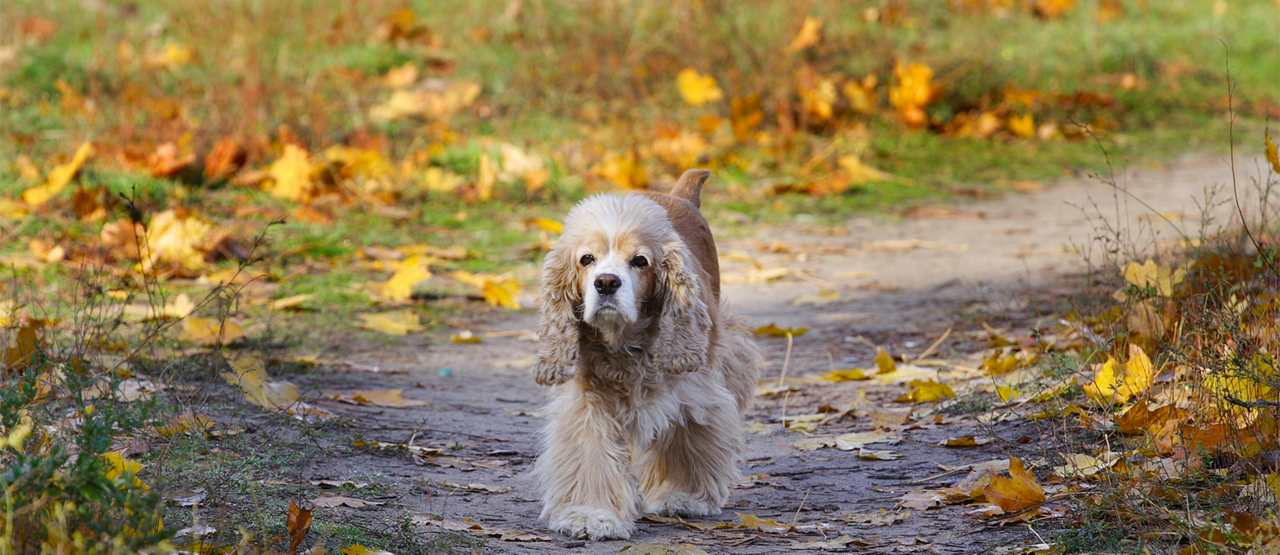
Our pets give us a lifetime of love — and as they grow older, they rely on us even more to help them stay healthy, comfortable, and happy. At Northshore Animal Hospital in Bayside, Queens, we understand that senior dogs and cats need special attention and care tailored to their age and lifestyle. Whether your pet enjoys long walks through the neighborhood or cozy naps on the couch, we’re here to help them age gracefully and comfortably.
When Is a Pet Considered a Senior?
The timeline for when a pet becomes “senior” might surprise you! Age and size both play big roles in determining when dogs and cats enter their senior years.
Dogs:
-Extra-large breeds (90+ lbs): 6–7 years old
-Large breeds (50–90 lbs): 8–9 years old
-Medium breeds (20–50 lbs): 8–10 years old
-Small breeds (under 20 lbs): 10–12 years old
Cats: Most cats are considered seniors by age 10
Even if your pet still acts young, their internal systems may already be changing — which is why regular checkups and preventive care are so important.
The Importance of Preventive Care for Senior Pets
As pets age, their risk for chronic illnesses and mobility issues increases. Routine preventive care helps us detect early signs of disease and address them before they progress.
At Northshore Animal Hospital, our senior pet wellness services include:
-Comprehensive physical exams twice per year
-Bloodwork and urinalysis to monitor organ health
-Weight and nutrition assessments
-Arthritis and pain management options
-Dental cleanings and oral health care
-Cognitive and behavioral evaluations
-Updated vaccinations and parasite prevention
Early intervention can make a major difference in your pet’s comfort and longevity.
Signs of Aging or Discomfort in Senior Pets
It’s easy to assume your pet is “just slowing down,” but some changes could point to pain or underlying health problems. Watch for:
-Stiffness or limping after rest
-Cloudy eyes or hearing loss
-Changes in appetite or weight
-Increased thirst or urination
-Trouble getting up stairs or onto furniture
-More frequent accidents
-Bad breath or visible dental issues
-Confusion, anxiety, or new behaviors
If you notice any of these, schedule a senior exam — even subtle changes can reveal important insights about your pet’s health.
Helping Older Pets Thrive in the City
Life in Bayside offers lots of enrichment for pets — from neighborhood walks to relaxing in pet-friendly parks. But urban living can also bring challenges for seniors, such as hard pavement on sore joints or cold winters that worsen arthritis.
Here are a few ways to keep your senior pet feeling great:
-Choose shorter, gentler walks on soft ground when possible
-Use orthopedic bedding for extra support
-Keep your home warm, quiet, and easy to navigate
-Feed a vet-recommended senior diet
-Stay consistent with biannual wellness exams
With small adjustments, your senior dog or cat can stay active and engaged while enjoying their well-earned comfort.
Compassionate Senior Pet Care in Bayside, Queens
At Northshore Animal Hospital, we’re proud to care for pets throughout Bayside and the greater Queens community. Our team is passionate about helping senior pets live their happiest, healthiest years through customized care plans, preventive health screenings, and gentle, compassionate treatment.
Give your aging pet the attention they deserve — schedule a senior wellness visit today and help them continue to thrive by your side.
References:
American Veterinary Medical Association. (2023). How to care for senior pets. AVMA
American Veterinary Medical Association. (n.d.). Preventive pet healthcare. AVMA
Morrison, B. J. (2024, November 5). When is a dog considered a senior? PetMD
Veterinary Partner. (2025, April 1). Signs of pain in pets. VIN Veterinary Partner